
Caring for an Aging Pet at Home: A Practical Guide
Caring for an aging pet at home means creating a space where your companion can rest comfortably, move safely, and spend quality time with you during their senior years. The good news? You don't need fancy equipment or professional help to do this well. With a few thoughtful adjustments to your home and daily routine, you can make a real difference in how your aging pet feels and experiences each day.
Your pet's needs shift as they age, and your home environment needs to shift with them. That's the foundation of keeping an older dog, cat, or other companion comfortable when they're spending more time at home. Let's walk through the changes that matter most.
Create a Dedicated Resting Space
Your aging pet needs a quiet place to rest without interruption. This isn't just nice to have, it's essential as their energy levels drop and they need more sleep.
Pick a spot away from high-traffic areas of your home. If you have multiple pets, choose a place where your aging companion won't be disturbed by younger, more active animals. A bedroom corner, a quiet living room nook, or a spare bathroom all work well.
Invest in soft, cozy bedding. Look for options that are easy to wash, since accidents happen more often with older pets. Orthopedic beds are worth considering if your pet has joint pain or arthritis, as they provide extra cushioning for achy bones.
Position the bed away from drafts, windows that get too cold, and air conditioning vents. Temperature control matters more to aging pets because their bodies don't regulate heat as effectively as they did when younger.
Adjust Feeding and Water Stations
One of the simplest changes you can make is elevating your pet's food and water bowls. This reduces strain on their neck and spine during meals, which is especially important if your aging pet has arthritis or mobility issues.
Use a raised feeder stand or stack books under regular bowls to bring them to a comfortable height. Your pet should be able to eat and drink without bending their head down significantly.
Keep water bowls in multiple locations around your home. Older pets may not have the energy to walk far for a drink, and staying hydrated becomes more important as they age. Check water bowls throughout the day and refresh them regularly so your pet always has access to clean water.
Talk to your veterinarian about updating your pet's diet to match their changing nutritional needs. Senior formulas exist for good reason, and your vet can recommend what's best for your specific pet's age, weight, and health status.
Make Mobility Adjustments Around Your Home
An aging pet moves differently than a young one. Stairs become harder to navigate, slippery floors are risky, and jumping onto furniture might not be possible anymore. Small modifications prevent injuries and frustration.
Add non-slip rugs to hardwood or tile floors where your pet walks. This gives their paws better grip and reduces the risk of sliding out on their joints. Pay special attention to hallways, bathrooms, and kitchen areas.
If your home has stairs, consider limiting access to certain areas or using pet gates to block off levels your aging pet doesn't need to reach. If stairs are essential, look into ramps or pet steps that make climbing easier.
Keep your pet's favorite spots on the ground level when possible. If they love sitting on the couch, consider using a pet ramp or steps to help them get up and down without strain.
Clear pathways through your home so your aging pet can move around safely. Remove clutter, secure loose rugs, and make sure lighting is good so your pet can see where they're walking. Poor vision is common in older pets, and better lighting helps them navigate independently.
Support Exercise That Matches Their Ability
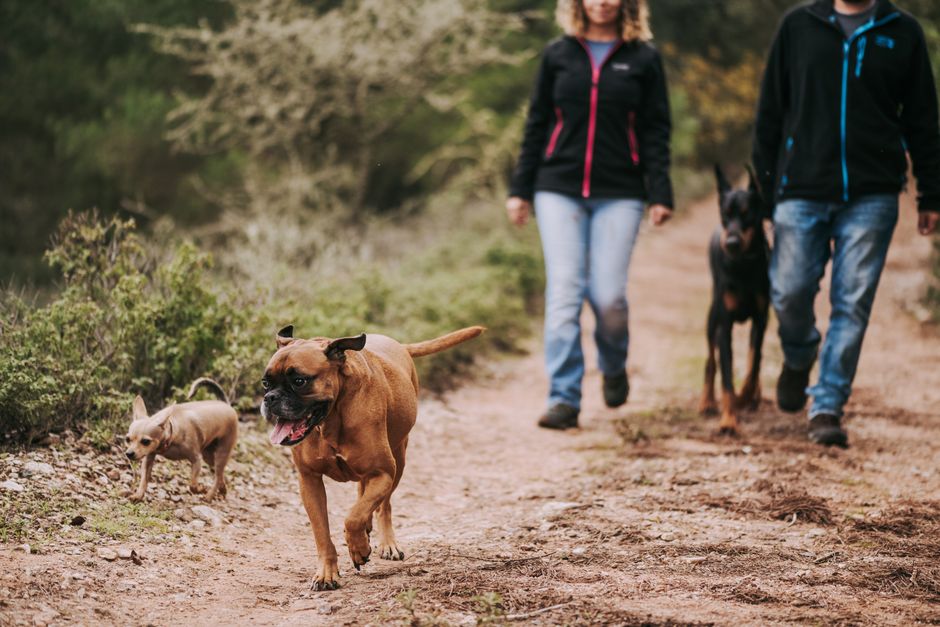
Your aging pet still needs movement, but the intensity and duration need to change. Shorter, gentler walks replace long daily hikes. Slow indoor play replaces energetic fetch sessions.
Pay attention to your pet's physical capabilities. If your dog gets winded quickly, shorten walks. If your cat has trouble jumping, create ground-level enrichment instead of climbing toys placed high up.
Consistency matters more than intensity at this stage. Regular, moderate activity keeps joints mobile and muscles engaged, which actually helps with comfort and function. A slow 15-minute walk twice a day is better than one long walk that leaves your pet exhausted.
Watch for signs that your pet has had enough. Panting, limping, or just stopping and refusing to move are all signals that you've reached their limit. Respect those signals and head home. Webster Media Group emphasizes that understanding your pet's changing abilities is one of the most compassionate things you can do during their senior years.
Maintain Grooming and Health Routines
Regular grooming becomes even more important as your pet ages, even if they spend more time resting at home. Brushing keeps their coat healthy, helps you spot lumps or skin changes, and can be a calming bonding experience.
Nail trimming prevents overgrowth, which can affect how your pet walks and cause pain. Ear cleaning and dental care continue to matter, too. If your pet has mobility issues that make grooming difficult, ask your veterinarian for recommendations on how to adjust your routine.
Schedule regular veterinary check-ups. Senior pets benefit from more frequent visits than younger animals, sometimes twice a year instead of once. These visits help catch health issues early and allow your vet to recommend adjustments to diet, medication, or home care.
Prepare for the Emotional Side of Aging
Caring for an aging pet at home isn't just physical. It's emotionally demanding, and that's completely normal. You're watching your companion slow down, and that brings up a lot of feelings.
Spend quality time together. This is what your aging pet needs most from you. Sit with them, pet them gently, talk to them. These moments matter far more than perfect nutrition or an ideal home setup.
Keep notes on your pet's behavior, energy levels, appetite, and any changes you notice. This information helps your veterinarian understand what's happening and gives you concrete data when emotions run high. Many families find that having structured tools and guidance helps them navigate this season with more confidence and less stress.
Keep Your Home Adaptable
Your aging pet's needs will continue to change. What works this month might need tweaking next month, and that's okay. Stay flexible and willing to adjust.
Check in regularly with yourself and your pet. Are they using their resting space? Do they have easy access to water? Can they move around safely? When something isn't working, change it.
Don't be afraid to ask your veterinarian for specific suggestions tailored to your pet's situation. They can recommend modifications based on your pet's particular health challenges and mobility level.
Frequently Asked Questions
What signs show my pet is getting too old to live at home safely?
Most pets can be cared for at home well into their senior years. Signs that home care is becoming difficult include severe incontinence that can't be managed, extreme aggression or confusion, or mobility loss so severe your pet can't move to access food, water, or a bathroom area. Talk to your veterinarian about your specific situation, as they know your pet's health and can help you make the best decision for your family.
How often should I take my aging pet to the vet?
Senior pets typically need veterinary check-ups twice a year, compared to once a year for younger animals. More frequent visits help catch health changes early and allow your vet to adjust medications or recommendations as needed. Your vet might suggest a different schedule based on your pet's individual health needs.
Can I adjust my aging pet's exercise routine myself, or do I need vet approval?
Start by talking to your veterinarian before making big changes to exercise. They can tell you what's safe for your pet's specific health status. Generally, shorter, gentler walks and slower-paced play are appropriate for most aging pets, but conditions like heart disease or arthritis might require specific modifications your vet can recommend.
Should I change my pet's diet as they age?
Yes, aging pets have different nutritional needs than younger animals. Consult your veterinarian about switching to a senior formula or adjusting portion sizes. Some older pets need easier-to-digest foods, while others need adjustments for kidney or digestive health. Your vet can recommend what's best for your pet based on their individual needs.


Comments