
Average Life Expectancy for Boxer Dogs: What to Expect
The average life expectancy for Boxer dogs is 10 to 12 years. That's the standard window you'll hear from most vets and breed experts. But here's the thing: some Boxers live longer, some shorter, and a few lucky ones stick around into their mid-teens. Understanding what influences your Boxer's lifespan helps you prepare for their care needs and make the most of your time together.
Boxer dogs are a brachycephalic breed, meaning they have flat, shortened faces. This trait is part of what makes them so recognizable and adorable, but it also affects their health and how long they typically live. If you're considering bringing a Boxer into your family or already have one at home, knowing what to expect health-wise is important for planning ahead.
The Typical Boxer Lifespan: 10-12 Years
Most healthy Boxers fall into that 10 to 12-year range. This is what breeders, veterinarians, and breed organizations generally consider normal for the breed. It's not a guarantee, but it's a realistic baseline to work with when you're thinking about long-term pet ownership.
Some Boxers do live longer than this. You'll occasionally hear stories of Boxers reaching 13, 14, or even 15+ years old. These are the exceptions, not the rule, but they happen. It usually comes down to genetics, overall health, preventive care, and just good luck.
On the flip side, some Boxers don't make it to 10 years. Illness, injury, or breed-specific health problems can shorten their time with you. That's why understanding the risks and staying proactive about their health matters so much.
Why Boxer Dogs Have a Specific Lifespan Range
The flat-faced structure of Boxers comes with real health trade-offs. Their shortened muzzles and facial structure can lead to breathing difficulties, overheating, and other complications. These aren't things to blame yourself for if you own a Boxer, but they're worth understanding so you can manage them.
Boxers are also prone to certain heart conditions and cancers more than some other breeds. Heart issues in particular can impact lifespan. That's why regular veterinary check-ups throughout your Boxer's life aren't just nice to have, they're essential. Catching problems early makes a real difference.
Genetics plays a huge role too. If your Boxer comes from health-tested parents with longer lifespans, that's a good sign. If you're adopting, ask the shelter or rescue what they know about the dog's background and family history.
How to Support Your Boxer's Longevity
You can't control everything, but you can influence a lot. Start with the basics: keep your Boxer at a healthy weight. Overweight dogs have shorter lifespans and more health problems. Measure their food, limit treats, and make sure they get regular exercise.
Exercise is huge. Boxers are athletic and energetic. They need daily physical activity to stay fit and mentally stimulated. A tired Boxer is usually a healthier Boxer. Aim for at least an hour of activity most days, though they'll probably want more.
Protect them from heat and humidity. Because of their flat faces, Boxers overheat easily. In warm weather, keep them cool, provide plenty of fresh water, and watch for signs of heat stress like excessive panting or lethargy. Never leave a Boxer in a hot car or outside for too long in the heat.
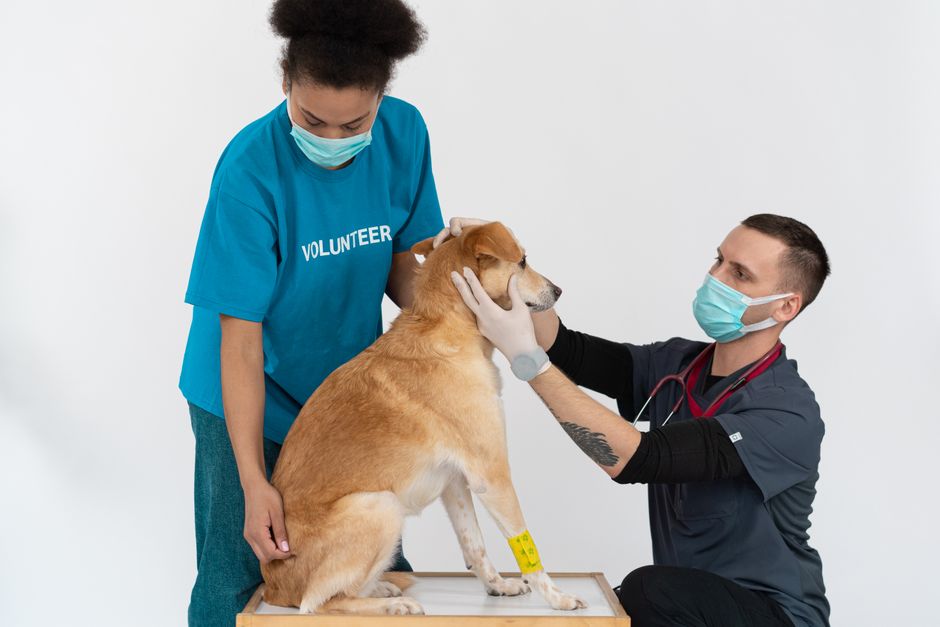
Regular vet visits are non-negotiable. Annual check-ups when your Boxer is young, then twice a year once they hit their senior years (usually around age 7 or 8). Your vet can spot problems before they become serious.
Health Monitoring Through Your Boxer's Life
Early health monitoring sets the foundation for a longer life. Puppies need several vet visits in their first year to check development, start vaccinations, and discuss breed-specific concerns. As your Boxer grows into adulthood, maintain that yearly exam schedule.
When your Boxer enters their senior years, watch for changes in behavior, appetite, bathroom habits, or energy levels. These can signal health issues that need attention. Keep a log of what you notice. Your vet will ask about these details, and having notes helps you give accurate information.
Dental care matters more than people realize. Boxer dogs benefit from regular tooth brushing and professional cleanings when recommended by your vet. Dental disease doesn't just affect the mouth, it impacts overall health and can shorten lifespan.
Pain management in older Boxers is important too. If your senior Boxer is stiff, limping, or showing signs of arthritis, talk to your vet about options. Managing pain keeps them mobile and comfortable longer.
Preparing for Your Boxer's Later Years
If you're looking to truly understand and prepare for every stage of your Boxer's life, including the challenging later chapters, Webster Media Group offers resources designed specifically for pet owners navigating aging and end-of-life care. Having the right information and tools beforehand makes these conversations easier when they matter most.
As your Boxer ages, their nutritional needs may change. Older dogs often benefit from specialized senior diets with different protein levels, easier digestibility, and joint support. Your vet can recommend what works best for your individual dog.
Environmental adjustments help too. Orthopedic beds, ramps or steps to help them onto furniture, and easy access to water and food bowls make daily life more comfortable. These small changes can significantly impact quality of life in the senior years.
Quality time becomes even more precious during these years. Your Boxer wants to be near you, even if they're moving slower or resting more. Those quiet moments together are what your dog values most.
Individual Variation in Boxer Lifespans
Remember that averages are just that, averages. Your specific Boxer's lifespan depends on many factors unique to them. Some live to 9, some to 14. Genetics, early health care, nutrition, exercise, and how you manage health problems all play a role.
Mixed breed Boxers sometimes live longer than purebreds, though that's not always the case. Male and female Boxers don't show significant lifespan differences. Size within the breed doesn't seem to matter much either.
Accidents, injuries, and unexpected illnesses can happen at any age. That's why having preventive care, pet first aid knowledge, and a trusted veterinarian relationship matters so much.
Creating a Care Plan for Your Boxer
One of the best things you can do is create a care plan before problems arise. Know your Boxer's normal behavior, appetite, and energy levels. Keep records of vet visits, medications, and any health concerns. Having this organized makes it easier to spot changes and communicate with your vet.
Talk to your vet about what to watch for as your Boxer ages. Ask about the breed-specific health issues that matter most for your dog. Make a list of questions for each visit. Understanding your Boxer's specific risk factors helps you stay ahead of problems.
If you want structured guidance for documenting your Boxer's health, managing vet appointments, and preparing for the different stages of their life, Webster Media Group provides compassionate planning tools designed for pet owners who want to be prepared and present during their dog's entire journey.
Making Peace With Timeline Uncertainty
The truth is, you don't know exactly how long your Boxer will live. That uncertainty can be hard to sit with, especially when you love them. But it's also why every day matters. The average life expectancy gives you a framework, not a crystal ball.
Focus on what you can control: preventive care, exercise, nutrition, dental health, and regular vet visits. Beyond that, focus on connection. Play with your Boxer, pet them, take them on adventures, and enjoy the moments you have together.
When the time comes for harder conversations about your Boxer's health or future care decisions, having supportive resources and clear information makes those discussions easier. That's what good preparation looks like.
People Also Ask
Can Boxer dogs live past 12 years?
Yes, some Boxers live into their mid-teens (15+ years), though this is less common than the typical 10-12 year range. Genetics, health management, and luck all play a role. The oldest Boxers usually have strong family histories of longevity and excellent preventive care throughout their lives.
What is the leading cause of death in Boxer dogs?
Boxer dogs are prone to heart conditions and certain cancers more than some other breeds. Heart disease is a significant concern for the breed. Cancer risk increases with age. These are breed-specific health issues that highlight why regular veterinary monitoring is so important.
How do I know if my Boxer is getting old?
Senior Boxers often show signs like gray fur around the muzzle and face, slower movement, increased sleeping, less interest in play, and sometimes incontinence. Changes in appetite, weight, or bathroom habits can also signal aging or underlying health issues. If you notice significant changes, talk to your vet.
What should I feed my senior Boxer?
Senior Boxers may need a diet formulated for older dogs, which often has adjusted protein levels, added joint support, and easier digestibility. Your vet can recommend a specific food based on your Boxer's individual health needs, weight, and any existing conditions.


Comments